
The Thrill of Uncertainty
The allure of gambling often lies in the thrill of uncertainty. This psychological phenomenon, known as risk-taking behavior, captivates individuals who enjoy the adrenaline rush that comes with making a bet. When people engage in gambling, they face unpredictable outcomes, which can elicit feelings of excitement and anticipation, especially when opting for an online casino fast withdrawal uk that enhances their experience. This volatility is what makes every roll of the dice or flip of a card an event filled with potential, contributing significantly to why people are drawn to these activities.
Furthermore, the brain’s reward system plays a pivotal role in these experiences. When a gambler wins, the brain releases dopamine, the neurotransmitter associated with pleasure and reward. This biological response reinforces the behavior, making the individual more likely to gamble again to recapture that euphoric feeling. Over time, this can lead to a cycle where the individual constantly seeks that high, often ignoring the potential negative consequences of their actions. This cycle is often exacerbated by the illusion of control, where individuals believe they can influence the outcome of a game.
Moreover, the unpredictability of gambling serves as a metaphor for life itself, resonating with those who may seek an escape from their daily routines. The chance to hit a jackpot or experience a life-altering win provides a momentary respite from everyday stresses, further driving individuals to engage in gambling as a form of entertainment and a way to escape their daily challenges. This emotional connection to the unpredictability of gambling makes it not just a game of chance, but also a psychological refuge for many.
The Social Dynamics of Gambling
Gambling is frequently a social activity, creating a communal atmosphere that enhances the experience. Many people enjoy participating in games with friends or strangers, as it fosters camaraderie and shared excitement. Social interactions can provide a sense of belonging and connection, which can be especially appealing in a world where many feel isolated. This sense of community can amplify the enjoyment of gambling, making it more than just about winning or losing; it becomes a shared experience filled with laughter, conversation, and collective anticipation.
In addition, the social aspects of gambling can influence decision-making. Group dynamics often encourage individuals to take risks they might not typically take alone. The presence of others can create a sense of camaraderie that encourages participants to engage in behaviors that may seem reckless outside of that social context. This phenomenon highlights the interplay between human psychology and social interactions, demonstrating how communal experiences can shape individual behavior. The excitement shared among players can also lead to a sense of collective identity, making the act of gambling a socially rewarding endeavor.
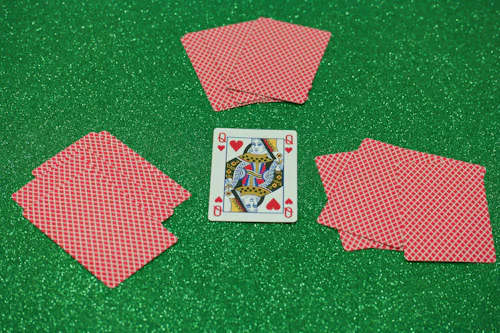
Furthermore, gambling venues often host events and tournaments that draw people in, capitalizing on the social nature of these activities. The excitement of competing against others can elevate the gambling experience, making it more appealing. As participants cheer each other on, the atmosphere becomes charged with energy, embodying both the thrill of competition and the joy of togetherness. This social environment not only enhances the enjoyment of gambling but also solidifies friendships and creates lasting memories, further explaining why gambling continues to be a popular pastime.
Psychological Triggers and Cognitive Biases
Gaining a deeper understanding of psychological triggers can explain why some individuals are more susceptible to gambling than others. Cognitive biases, such as the gambler’s fallacy, can lead players to believe they can predict outcomes based on previous results. For example, a person might think that if a particular number hasn’t come up in a while, it’s more likely to appear soon. This distorted perception of probability can lead to increased gambling activity, as players hold onto the hope of an impending win, often ignoring the statistical realities of the game.
Furthermore, many gambling games are designed to keep players engaged through various psychological triggers. Bright lights, sounds, and rewards of small wins can create an environment that feels rewarding, even when overall losses occur. This phenomenon is known as the “near-miss” effect, where players feel motivated to continue playing due to the perception that they almost won. Such experiences can be deceiving, leading individuals to underestimate the overall odds against them, perpetuating a cycle of gambling. This cycle can become particularly problematic when individuals chase losses, believing that a big win is just around the corner.
Additionally, many gamblers may face underlying mental health issues that contribute to their gambling behavior. Conditions such as depression or anxiety can drive individuals to seek a temporary escape through gambling. Unfortunately, this can result in a harmful cycle where the act of gambling exacerbates their mental health struggles, leading to an increasing reliance on gambling as a coping mechanism. Understanding these psychological factors is crucial in addressing the broader implications of gambling behavior, as those who gamble may be using it as a means to manage their emotional distress.
The Role of Advertising and Public Perception
Advertising plays an influential role in shaping public perception of gambling. Marketing strategies often portray gambling as an exciting and glamorous activity, downplaying the potential risks involved. This can lead to a widespread normalization of gambling behavior, especially among younger audiences who may be more impressionable. The more accessible and appealing gambling is portrayed, the more likely individuals are to participate, unaware of the potential consequences. This glamorization can create unrealistic expectations about the outcomes and lifestyles associated with gambling.
Additionally, the portrayal of gambling in popular culture, including movies and television shows, often glamorizes the lifestyle associated with gambling. This representation can create unrealistic expectations about the chances of winning and the lifestyle that comes with it. Such portrayals can perpetuate the belief that gambling is an easy way to achieve financial success, further encouraging individuals to engage in these activities without a thorough understanding of the risks involved. As a result, many individuals may enter the gambling world with a naive perspective, believing they can easily navigate its complexities.
It is essential for public awareness campaigns to address the potential dangers of gambling, helping individuals make informed choices. Education on responsible gambling practices and the potential for addiction can counterbalance the glamorization found in marketing and media. By increasing awareness of both the psychological and societal factors influencing gambling behavior, communities can better support those at risk and foster a safer gambling environment. Such initiatives can empower individuals to critically assess their gambling habits and recognize when they may need to seek help.
Discovering Responsible Gambling Resources
In light of the psychological factors that drive gambling behavior, it’s crucial to have access to resources that promote responsible gambling. Websites offering comprehensive information on gambling addiction, strategies for responsible play, and support systems can empower individuals to gamble mindfully. These resources can be invaluable in aiding individuals who may struggle with their gambling habits and require assistance in finding healthier alternatives. Access to accurate information can help demystify the gambling experience and promote a healthier relationship with it.
Such platforms typically provide educational materials that help users recognize the signs of addiction and the importance of setting limits. From self-assessment tools to community support networks, these resources can help individuals manage their gambling behavior effectively. Additionally, engaging in discussions about the psychological aspects of gambling can encourage a more open dialogue among players, reducing stigma and fostering a supportive environment. By normalizing conversations about responsible gambling, individuals can feel more comfortable seeking help when needed.
Finally, by utilizing these resources, individuals can learn how to enjoy gambling responsibly and understand the importance of letting go of the pursuit of wins. Recognizing when to step away from the gaming table or the slot machines is a critical skill that can lead to a healthier relationship with gambling. Ultimately, cultivating awareness and access to information can empower individuals to make informed choices about their gambling habits, prioritizing their well-being and mental health in the process. Through education and support, individuals can navigate the world of gambling with a greater sense of control and understanding.